

articles

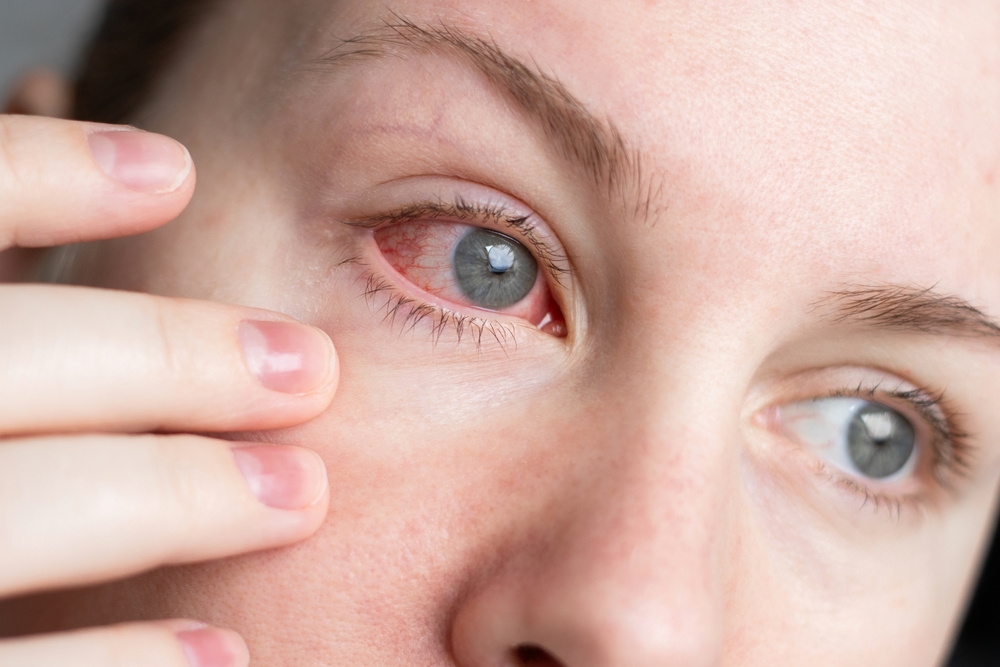
Dry eyes are one of the most common conditions that can affect our eyes and are estimated to affect millions of Americans. As you’ve probably guessed, dry eyes occur when tears fail to provide enough natural lubrication for the eyes to be comfortable and healthy. Exactly what causes dry eyes can vary significantly, from side effects from medications to prolonged computer use. What is clear is that while the condition isn’t sight-threatening, it can make day-to-day life much harder than it needs to be. Fortunately, there are treatments that can help, and arguably one of the most effective is Lipiflow.
What is Lipiflow?
Lipiflow is a new technological solution that addresses the underlying cause of your dry eyes, rather than simply treating the symptoms. It is most effective at helping patients whose dry eyes are caused by meibomian gland dysfunction – a condition characterized by problems with the way that the meibomian glands produce the oil that forms an essential part of our tear film. The meibomian glands can become less productive, or in some cases, even blocked by hardened oil deposits. This prevents the oil from reaching your tear film, making it less effective. Lipiflow targets the meibomian glands, warming them to break down oily blockages and massaging your eyes to make sure that the oil, and then the tear film, is evenly dispersed.
This helps to combat the symptoms associated with dry eyes, which can include:
Eye fatigue
Dry, scratchy, and uncomfortable eyes
Blurred vision
Sensitivity to light
Difficulty wearing contact lenses
Your eye doctor will be able to advise you if Lipiflow has the potential to be a suitable solution for your dry eyes.

Medical eye exams are comprehensive evaluations of the health and function of the eyes, essential for maintaining optimal vision and preventing potential eye conditions. Regular medical eye exams are fundamental for proactive eye health management and ensuring ongoing visual wellness.
What is a Medical Eye Exam?
A medical eye exam is a comprehensive examination of your eyes conducted by an optometrist. This examination goes beyond a routine vision test and delves into the overall health of your eyes. During a medical eye exam, various tests will be performed to assess your visual acuity, peripheral vision, eye movement, and the health of your eye structures.
Medical eye exams can detect early signs of eye conditions that may not present noticeable symptoms in their initial stages. By diagnosing these conditions early, you have a greater chance of successful treatment and preventing further deterioration of your vision.
Medical eye exams can also identify underlying health conditions that may manifest in your eyes, providing an opportunity for early intervention and management.
Common Conditions Detected During a Medical Eye Exam
During a medical eye exam, several common eye conditions can be detected, even before noticeable symptoms occur. One such condition is age-related macular degeneration (AMD), which affects the central part of the retina responsible for sharp, central vision. By examining the retina, your optometrist can identify early signs of AMD and recommend appropriate treatment to slow its progression.
Another condition that can be detected during a medical eye exam is cataracts. Cataracts occur when the lens of your eye becomes cloudy, leading to blurred vision. Through a comprehensive examination, your eye doctor can assess the severity of your cataracts and recommend the most suitable treatment option, which may include surgery to remove the cloudy lens.
Hypertension is a common health condition that can have serious consequences if left untreated. The health of your eyes can provide valuable insights into your cardiovascular health. During a medical eye exam, an optometrist can observe changes in the blood vessels of your retina, such as narrowing or leaking. These changes can indicate underlying hypertension.

Dry eye isn’t always just “not enough tears.” Often, the surface of the eye is irritated and inflamed, so tears don’t stay smooth or stable. For some people with more severe symptoms, amniotic membrane therapy can help by acting like a protective bandage that calms the surface and supports healing.
What Are Amniotic Membranes?
Amniotic membranes are derived from the innermost layer of the placenta and are carefully processed for medical use. Amniotic membranes are used to support regeneration of the corneal surface.
They contain growth factors and biologically active components that:
Reduce inflammation
Promote tissue healing
Minimize scarring
Protect the surface of the eye
Because they are immune-privileged and thoroughly screened, they are considered safe and well.
How Do Amniotic Membranes Help Dry Eye?
In moderate to severe dry eye disease, chronic inflammation can damage the corneal surface. This damage can lead to persistent discomfort, fluctuating vision, and delayed healing.
Amniotic membranes work by acting as a biological bandage. Once placed on the eye, they:
Create a protective barrier over the cornea
Reduce surface inflammation
Encourage regeneration of healthy cells
Restore smoother corneal tissue
By addressing the underlying inflammation and surface damage, amniotic membranes do more than simply mask symptoms - they promote healing at the source.
Tixel is an advanced treatment platform that uses Thermo-Mechanical Action, also known as TMA technology, to deliver controlled heat to targeted tissue. Tixel uses direct thermal contact through a specialized titanium tip to support natural renewal, improve tissue function, and provide treatment with minimal downtime.
Tixel-i For Dry Eye
Dry eye can happen when the tear film is not stable enough to keep the eyes comfortable. One of the most common causes is meibomian gland dysfunction, or MGD. The meibomian glands are tiny oil glands along the eyelids that help produce the protective oil layer of the tears. When these glands become clogged or inflamed, tears evaporate too quickly.
Tixel-i is designed to treat dry eye disease related to MGD. The treatment applies precise thermal energy externally to the upper and lower eyelids. This heat helps support healthier meibomian gland function, improve oil flow, and stabilize the tear film.
For patients who rely on artificial tears but still experience burning, stinging, watering, redness, or fluctuating vision, Tixel-i may be part of a more targeted dry eye treatment plan.
Tixel 2 For Advanced Aesthetic Treatments
Tixel 2 is a skin rejuvenation device designed for versatility and efficiency. It features dual handpieces that allow providers to transition between larger treatment areas and more delicate areas, such as the skin around the eyes.
Tixel 2 uses TMA technology to create controlled thermal effects in the skin. These brief pulses of heat help stimulate the body’s natural renewal process and support collagen production over time. It may be used to improve the appearance of fine lines, wrinkles, skin texture, crepey skin, and peri-orbital aging concerns.
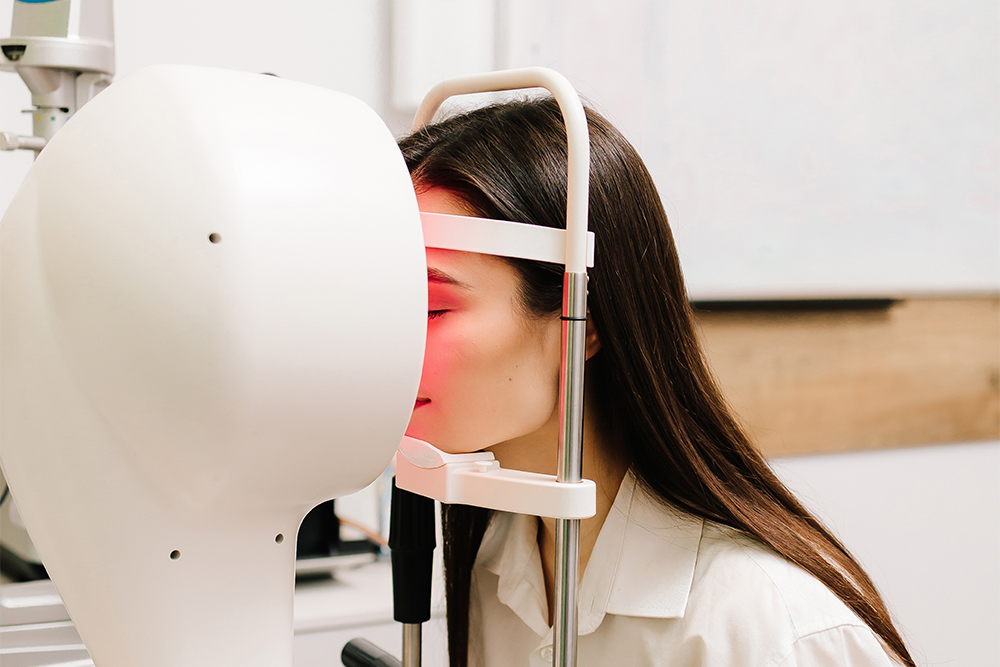
When it comes to diagnosing and managing complex vision conditions, precision matters. One of the most advanced tools is Medmont topography - a state-of-the-art technology that provides highly detailed maps of the cornea. Whether you are being evaluated for specialty contact lenses, dry eye treatment, or refractive surgery, Medmont topography plays a critical role in delivering accurate, customized care.
What Is Medmont Topography?
Medmont topography refers to corneal imaging performed with the Medmont E300 Corneal Topographer, a diagnostic device designed to capture detailed curvature measurements of the cornea.
Using advanced Placido disc technology, the system projects illuminated rings onto the cornea and analyzes their reflections. From this data, it generates a color-coded map that reveals the shape, elevation, and curvature of the cornea with exceptional accuracy.
Why Is Corneal Topography Important?
The cornea is responsible for approximately two-thirds of the eye’s focusing power. Even subtle irregularities can significantly affect vision. Medmont topography allows your eye doctor to detect and monitor:
Keratoconus and other corneal ectasias
Corneal irregularities or scarring
Post-surgical corneal changes
Astigmatism patterns
Contact lens fitting complications
Early signs of corneal distortion
Because it provides highly detailed imaging, Medmont topography often identifies changes long before they become noticeable in a routine vision exam.
How Medmont Topography Improves Contact Lens Fitting
For patients who require specialty contact lenses - such as scleral lenses, hybrid lenses, or lenses for keratoconus - precise corneal mapping is essential.
The Medmont system offers:
High-resolution curvature data
Wide corneal coverage
Repeatable, reliable measurements
Advanced software analysis
This allows your doctor to design and fit custom lenses with greater accuracy, improving comfort, stability, and visual clarity while reducing trial-and-error fittings.

Dry eye is a common condition that affects millions of people worldwide. It occurs when the eyes do not produce enough tears or when the tears evaporate too quickly. This can lead to discomfort, irritation, and even vision problems. If you are suffering from the discomfort of dry eye, MiBo Thermoflo can offer you a revolutionary solution.
Understanding the Causes of Dry Eye
Dry eye is a condition that occurs when the eyes do not produce enough tears or when the tears evaporate too quickly. There are several factors that can contribute to this condition, including environmental factors, certain medications, and aging. Environmental factors such as dry or windy climates, air conditioning, and excessive screen time can all worsen dry eye symptoms. Additionally, certain medications like antihistamines, decongestants, and diuretics can decrease tear production. Aging is also a common cause of dry eye, as tear production naturally decreases as we get older.
Meibomian gland dysfunction (MGD) and blepharitis are two common conditions that can contribute to the development of dry eye. MGD occurs when the meibomian glands, which are responsible for producing the oily layer of tears, become blocked or dysfunctional. This can lead to an inadequate amount of oil in the tears, causing them to evaporate too quickly. Blepharitis is an inflammation of the eyelids that can disrupt the normal functioning of the meibomian glands.

Eyelid hygiene is an essential aspect of maintaining optimal eye health. Your eyes are sensitive organs that require proper care and attention. Neglecting eyelid hygiene can lead to various problems, including dry eye.
Recognizing the Symptoms of Eyelid Problems
It is crucial to recognize the symptoms of eyelid problems to seek timely treatment and prevent further complications. Common symptoms of eyelid issues include redness, swelling, itching, irritation, crusting or scaling of the eyelids, sensitivity to light, and a sensation of something in the eye.
The Importance of Eyelid Hygiene in Maintaining Eye Health
Maintaining proper eyelid hygiene is essential for overall eye health. Regularly cleaning your eyelids helps remove debris, bacteria, and excess oil, preventing infections and inflammation. It also promotes the proper functioning of the meibomian glands, ensuring an adequate supply of tears to keep your eyes moisturized. By incorporating eyelid hygiene into your daily routine, you can significantly reduce the risk of developing dry eye and other eye-related problems.

Dry eye is a common ocular condition that occurs when the eyes do not produce enough tears or when the tears evaporate too quickly. This can lead to discomfort, redness, blurred vision, and even damage to the surface of the eyes. Understanding the causes and symptoms of dry eye is crucial to provide early detection and effective treatment.
The Importance of Dry Eye Advanced Diagnostic Testing
Early detection of dry eye is crucial for preventing further progression of the condition and improving patient outcomes. Without proper diagnosis and treatment, dry eye can cause significant discomfort and affect daily activities. Additionally, chronic dry eye can lead to corneal ulcers, infections, and even vision loss. By accurately identifying and addressing dry eye in its early stages, optometrists can provide timely interventions and prevent complications.
TearLab
One of the advanced diagnostic tools available for dry eye is TearLab. TearLab is a non-invasive test that measures the osmolarity of tears, which is an indicator of tear film stability. This test provides valuable information about the quality and quantity of tears, allowing healthcare professionals to accurately diagnose and monitor dry eye. By analyzing the osmolarity of tears, TearLab helps identify the severity of dry eye and guides treatment decisions. It is a quick and painless procedure that can be performed in a clinical setting.
InflammaDry
Inflammation plays a significant role in dry eye, and identifying the presence of inflammation is crucial for effective treatment. InflammaDry is a diagnostic tool that detects elevated levels of matrix metalloproteinase 9 (MMP-9), an inflammatory marker, in tears. By measuring MMP-9, InflammaDry helps optometrists differentiate between inflammatory and non-inflammatory dry eye. This information is essential for tailoring treatment plans and determining the most appropriate therapies for each patient.

Urgent eye care encompasses prompt evaluation and treatment of sudden or severe eye-related issues, including foreign object removal, chemical exposure, corneal abrasions, sudden vision loss, eye trauma, acute glaucoma, chemical burns, and eye infections. Seeking immediate professional attention from an optometrist is vital to prevent further damage and preserve vision.
Common Eye Emergencies or Urgent Eye Care Appointments
Eye emergencies can manifest in various forms, and it is essential to be able to identify them quickly. Some common eye emergencies include:
Foreign Object in the Eye: Particles, debris, or small objects can become lodged in the eye, causing pain, redness, tearing, and potential damage to the eye's surface.
Corneal Abrasions or Scratches: Injuries to the cornea, such as abrasions or scratches, can cause severe eye pain, light sensitivity, and a feeling of something in the eye.
Sudden Loss of Vision: Any sudden and unexplained loss of vision requires immediate attention to determine the underlying cause and initiate appropriate treatment.
Eye Trauma or Blunt Force Injury: Injuries to the eye from impact, trauma, or accidents can lead to serious complications, including retinal detachment, hemorrhage, or intraocular foreign bodies.
Chemical Burns: Exposure to caustic substances or chemicals can cause serious damage to the eyes, resulting in pain, redness, and potential vision loss.
Eye Infections: Infections such as conjunctivitis (pink eye) can cause redness, discharge, and discomfort in the eyes.
Recognizing these symptoms and seeking urgent care can prevent further complications.
The Importance of Basic Red Eye Exams in Urgent Care
Red eye exams are a fundamental part of urgent eye care. They help identify the cause of redness and determine the appropriate treatment. Basic red eye exams involve a comprehensive evaluation of the eye, including examining the eyelids, conjunctiva, cornea, and iris. These exams aid in the diagnosis and treatment of various conditions, such as conjunctivitis, uveitis, dry eyes, and corneal abrasions.

Eye care professionals use Optikam’s technology to capture more than 3 million eyewear measurements every year. The OptikamPad iPad app is a total dispensing solution that enables eye care professionals to successfully assist patients at all stages of the eyewear dispensing process, providing them with a unique and custom patient experience.
Optikam Posture Device (OPD)
You may be surprised to learn that wearing glasses can and likely will affect your posture. Glasses lenses are most accurate when you look directly through their center. This means if your glasses are sitting too low or have slipped down your nose, you may find that you are subconsciously tilting your head back, and this can affect your overall posture.
Optikam’s OPD measurement device is a cutting-edge tool that obtains eyewear measurements that take into account how the frame will be worn by patients, enabling the fit to be customized to their individual parameters. The ten measurements taken into account when determining each patient’s position of wear include:
Monocular pupillary distance
Multifocal seg heights
Pantoscopic tilt
Rear vertex distance
Wrap (face form tilt)
Near pupillary distance
This results in frames that not only look fantastic, but also fit perfectly, remaining both comfortable and stable on the face without you needing to adopt an unnatural posture. The measurements obtained by the Optikam OPD measurement tool are immediately visible on your eye doctor’s tablet so that they can recommend which alterations to the frames are needed to ensure that the frames fit with precision and give you the best visual experience.

All Eye
Care Services

Keep
In Touch
TestimonialsWhat our
What our
Patients Say
My family and I have had excellent care at Wink. The doctors and staff are warm, friendly, and knowledgeable. The glasses selection ranges from classic to quirky, and the contacts I ordered were a great fit. I especially appreciate how sweet & kid-friendly they are for my child’s eye care! 10/10 ❤️
By Chicago H.
Doctor Beute and her staff always do a really thorough and thoughtful job on our eye exams and is really good at suggesting the best lenses & contacts for our different vision problems. Highly recommend her and the Wink Team for eye care.
By Chicago H.
The exams are thorough and accurate. On time and efficient. But most importantly, they are AMAZING with kids. Literally my kids came out saying it was the most fun appt. I would give 5+ stars!
By Dagmara G-A
Dr. Beute, was amazing! She was so thorough in her eye exam and answered all my questions. She really embodies the warmth and kindness a healthcare provider should have and I really appreciated that.
By Talia Aman Y.
Dr Stacy Beute is as thorough as she is kind. We have a family history of glaucoma and other eye issues and she took her time during everyone’s examinations. The staff up front are so accommodating and welcoming as well. I cannot recommend Wink Optical enough.
By Tara K.

MAP



Contact Info
Office Hours
Monday 10:00 am – 4:00 pm
Tuesday 11:00 am – 8:00 pm
Wednesday Closed
Thursday 11:00 am – 8:00 pm
Friday 10:00 am – 6:00 pm
Saturday 9:00 am – 2:00 pm
Sunday Closed
Powered by: 