

Neuro-Optometric Rehabilitation
Neuro-Optometric Rehabilitation
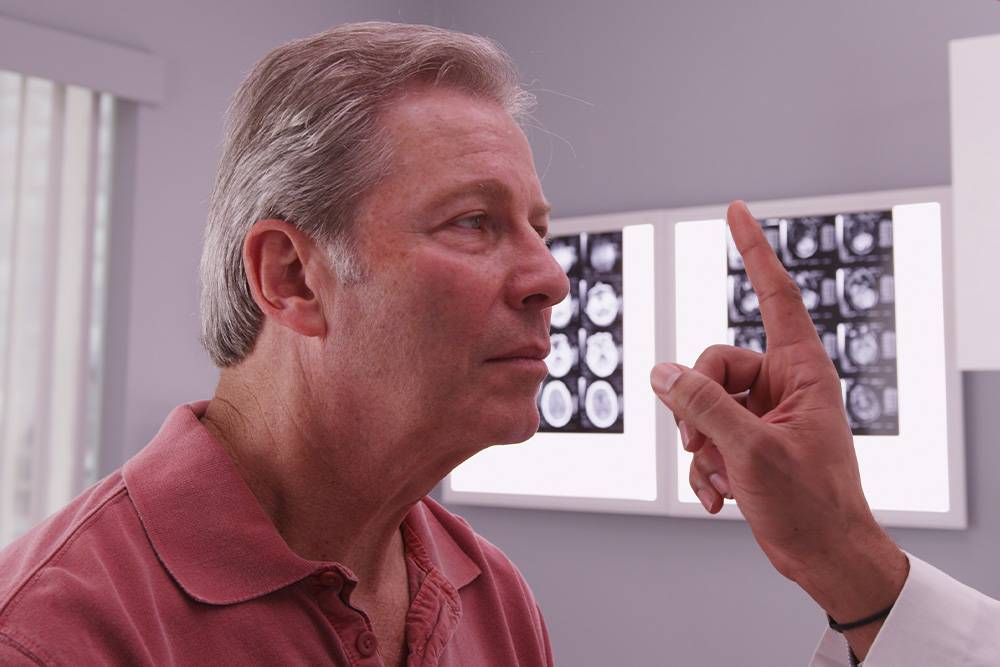
When most people think about vision problems, they picture issues with the eyes themselves. However, many visual difficulties actually begin in the brain. After a concussion, stroke, or other brain injury, the connection between the eyes and brain can be disrupted, causing symptoms that affect balance, reading, focus, and even daily comfort.
Brain Injuries and Vision
Your visual system is complex - about 70% of the brain is involved in vision processing. After a traumatic brain injury (TBI), concussion, or neurological event such as a stroke, the pathways that coordinate eye movement, focus, and perception can become impaired.
This can result in symptoms such as:
Blurred or double vision
Eye strain and headaches
Difficulty reading or focusing
Dizziness or balance problems
Light sensitivity
Problems with depth perception
These visual issues often persist long after other symptoms of a brain injury have improved, making specialized vision care essential for recovery.
What Is Neuro-Optometric Rehabilitation?
Neuro-optometric rehabilitation is a specialized form of vision therapy designed to retrain how the brain and eyes work together. Unlike traditional eye care that focuses on eyesight alone, this therapy targets the neurological processes behind vision. Our doctor evaluates how the eyes and brain communicate and creates a personalized treatment plan to rebuild these visual pathways. The goal is to restore comfort, coordination, and clarity - improving overall visual function and quality of life.
Who Can Benefit from Neuro-Optometric Rehabilitation?
This form of therapy is beneficial for patients who have experienced:
Concussions or TBIs
Strokes or aneurysms
Developmental or neurological disorders
Whiplash or other head trauma
Vestibular or balance disorders
Even mild injuries can disrupt the brain’s visual processing. Patients who experience ongoing dizziness, visual fatigue, or trouble reading after an injury are excellent candidates for evaluation.
How Neuro-Optometric Rehabilitation Works
Treatment programs are customized based on individual needs and may include:
Eye tracking and focusing exercises
Balance and coordination activities
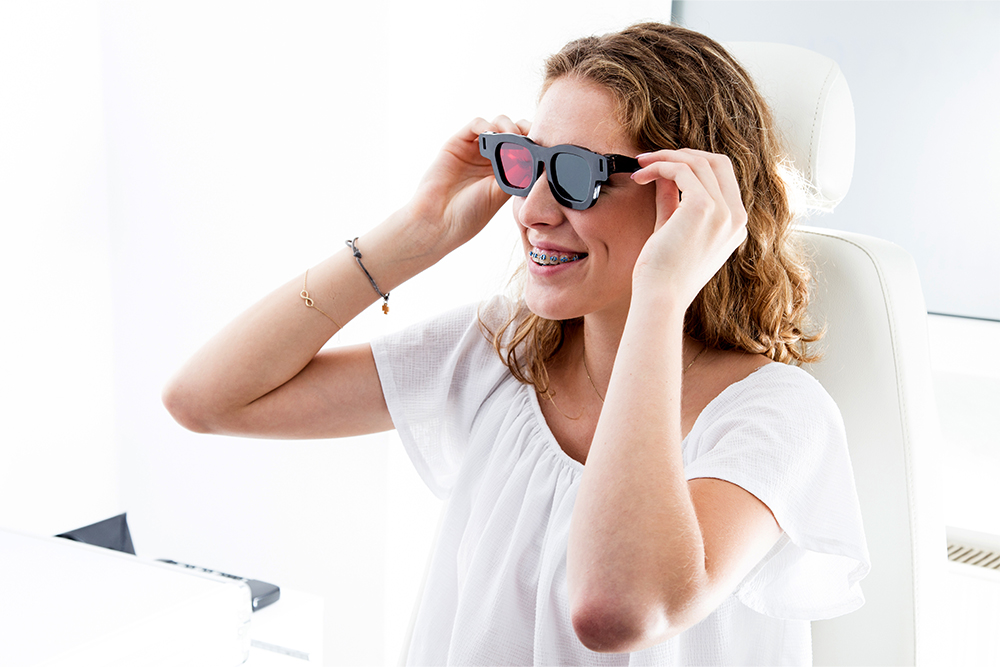
Use of specialized lenses or prisms
Light or color therapy
Digital visual training systems
These exercises gradually retrain the visual system to process information more efficiently. Over time, patients often notice improved concentration, better balance, and reduced headaches or eye strain.
Restore Your Visual Function with Personalized Care
Vision plays a vital role in how we move, think, and interact with the world. When a brain injury disrupts that connection, even simple tasks can become challenging. Neuro-optometric rehabilitation offers a path toward recovery - helping retrain the brain and eyes to work together again so patients can regain visual comfort, balance, and confidence.
Schedule a neuro-optometric rehabilitation evaluation today to discover how personalized treatment can help you restore focus, stability, and quality of life.

All Eye
Care Services
Keep
In Touch
TestimonialsWhat our
What our
Patients Say
My family and I have had excellent care at Wink. The doctors and staff are warm, friendly, and knowledgeable. The glasses selection ranges from classic to quirky, and the contacts I ordered were a great fit. I especially appreciate how sweet & kid-friendly they are for my child’s eye care! 10/10 ❤️
By Chicago H.
Doctor Beute and her staff always do a really thorough and thoughtful job on our eye exams and is really good at suggesting the best lenses & contacts for our different vision problems. Highly recommend her and the Wink Team for eye care.
By Chicago H.
The exams are thorough and accurate. On time and efficient. But most importantly, they are AMAZING with kids. Literally my kids came out saying it was the most fun appt. I would give 5+ stars!
By Dagmara G-A
Dr. Beute, was amazing! She was so thorough in her eye exam and answered all my questions. She really embodies the warmth and kindness a healthcare provider should have and I really appreciated that.
By Talia Aman Y.
Dr Stacy Beute is as thorough as she is kind. We have a family history of glaucoma and other eye issues and she took her time during everyone’s examinations. The staff up front are so accommodating and welcoming as well. I cannot recommend Wink Optical enough.
By Tara K.
MAP


Contact Info
Office Hours
Monday 10:00 am – 4:00 pm
Tuesday 11:00 am – 8:00 pm
Wednesday Closed
Thursday 11:00 am – 8:00 pm
Friday 10:00 am – 6:00 pm
Saturday 9:00 am – 2:00 pm
Sunday Closed
Powered by: 