

Eye Disease Treatment

Millions of patients are diagnosed with diseases and conditions of the eye every year. Some of these may not display symptoms until there is irreversible damage to the patient’s vision. The outcome of eye disease can range from temporary discomfort to total loss of vision, which is why all eye problems and diseases should be taken seriously, and regular eye check-ups are absolutely essential.
What Are The Causes of Eye Disease?
The main causes of eye problems can be divided into five groups:
Inflammation of the eye and surrounding structures caused by a bacterial, viral, parasitic, or fungal infection.
Injuries to the eye and surrounding structures, either as a result of trauma or an object in the eye.
Genetically inherited eye diseases, many of which may only manifest later in life and affect the structures and the functioning of the eye, which therefore can impair visual abilities. In some cases, however, children are born with these conditions.
Diseases or conditions, such as migraine or diabetes, can affect other organs of the body, such as the eyes.
External causes include allergies, eye strain due to overuse, or side effects of medication.
What Are The Symptoms of Eye Disease?
The three symptoms indicative of eye disease are changes in vision, changes in the appearance of the eye, or an abnormal sensation or pain in the eye.
Changes in vision can include the following symptoms:
Nearsightedness is caused by an elongation of the eyeball over time, making it difficult to clearly see objects far away.
Farsightedness is caused by the shortening of the eyeball, making it difficult to see objects that are close-by clearly.
Blurry or hazy vision, or loss of specific areas of vision, which can affect one or both eyes and is the most common vision symptom. Any sudden changes in vision should be a cause for concern.
Double vision means a single clear image appears to repeat itself. This could be accompanied by other symptoms like headaches, nausea, a droopy eyelid, and misalignment of the eyes.
Floaters are specks or strands that seem to float across the field of vision. These are shadows cast by cells inside the clear fluid that fills the eye. These are usually harmless, but should be checked out as they could point to something serious, such as retinal detachment.

Loss of vision after being able to see before.
Night blindness is the inability to see clearly in the dark or to adapt to the dark, especially after coming out of a brightly lit environment.
Impaired depth perception means a person has difficulty distinguishing which of two objects is closer to him/her.
Changes in the appearance of the eye include, but are not restricted to, the following:
Redness or swelling of the eyes, which have a bloodshot appearance.
Watery and itchy eyes; depending on the cause, discharge from the eyes is also possible.
Redness and swelling of the eyelid.
Cloudy appearance of the eye, which occurs due to a build-up of proteins making the lens of the eye appear cloudy. These can be symptomatic of cataracts.
Eyelid twitch. This happens when eyelid muscles spasm involuntarily over a period of time.
Squint
Bulging eyes could be a symptom of hyperthyroidism or an autoimmune disorder called Graves’ disease.
Drooping eyelids can be a sign of exhaustion, aging, migraines, or a more serious medical problem.
Pain in and around the eye:
Pain within the eye is called ocular pain, while pain on the surface of the eye is called orbital pain.
Ocular pain can be caused by a scratch or a slight injury to the cornea of the eye or the presence of a foreign object in the eye and often causes redness of the eye. Orbital pain can be sharp or throbbing and may go beyond the surface. This should be a cause for concern if it’s accompanied by vision loss, vomiting, fever, muscle aches, eye bulging, and difficulty in moving the eye in certain directions. Trauma to the eye or the surrounding facial areas can also be the cause of pain.
How Can Eye Diseases Be Treated?
The treatment of eye diseases is divided into four main categories:
Medication
Surgery
Prescription glasses or contact lenses
Treatment of systemic conditions affecting the eye

All Eye
Care Services

Keep
In Touch
TestimonialsWhat our
What our
Patients Say
My family and I have had excellent care at Wink. The doctors and staff are warm, friendly, and knowledgeable. The glasses selection ranges from classic to quirky, and the contacts I ordered were a great fit. I especially appreciate how sweet & kid-friendly they are for my child’s eye care! 10/10 ❤️
By Chicago H.
Doctor Beute and her staff always do a really thorough and thoughtful job on our eye exams and is really good at suggesting the best lenses & contacts for our different vision problems. Highly recommend her and the Wink Team for eye care.
By Chicago H.
The exams are thorough and accurate. On time and efficient. But most importantly, they are AMAZING with kids. Literally my kids came out saying it was the most fun appt. I would give 5+ stars!
By Dagmara G-A
Dr. Beute, was amazing! She was so thorough in her eye exam and answered all my questions. She really embodies the warmth and kindness a healthcare provider should have and I really appreciated that.
By Talia Aman Y.
Dr Stacy Beute is as thorough as she is kind. We have a family history of glaucoma and other eye issues and she took her time during everyone’s examinations. The staff up front are so accommodating and welcoming as well. I cannot recommend Wink Optical enough.
By Tara K.
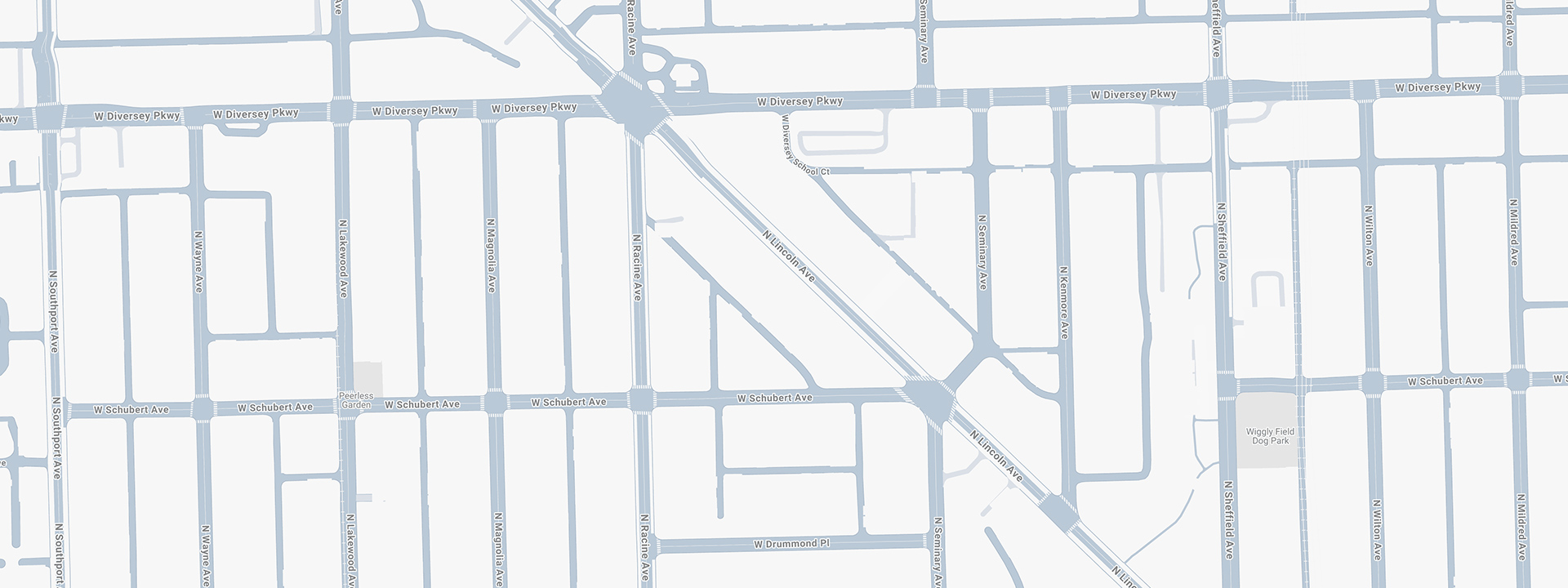
MAP


Contact Info
Office Hours
Monday 10:00 am – 4:00 pm
Tuesday 11:00 am – 8:00 pm
Wednesday Closed
Thursday 11:00 am – 8:00 pm
Friday 10:00 am – 6:00 pm
Saturday 9:00 am – 2:00 pm
Sunday Closed
Powered by: 